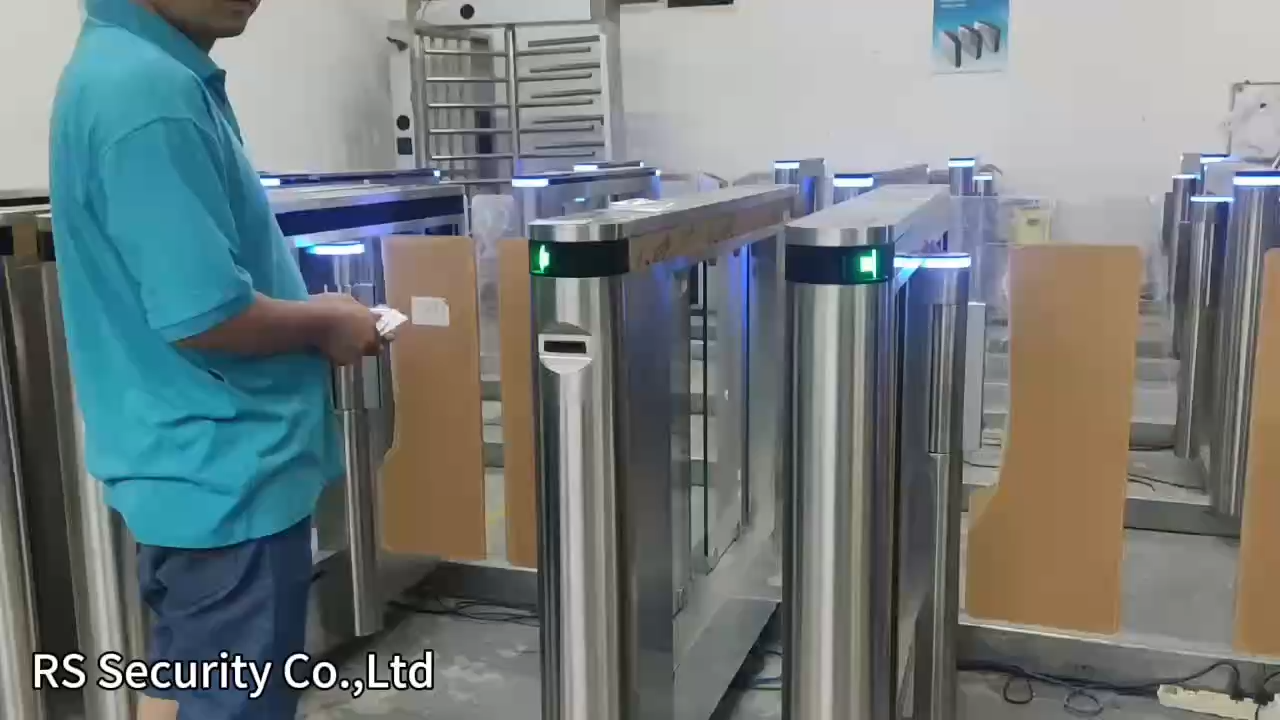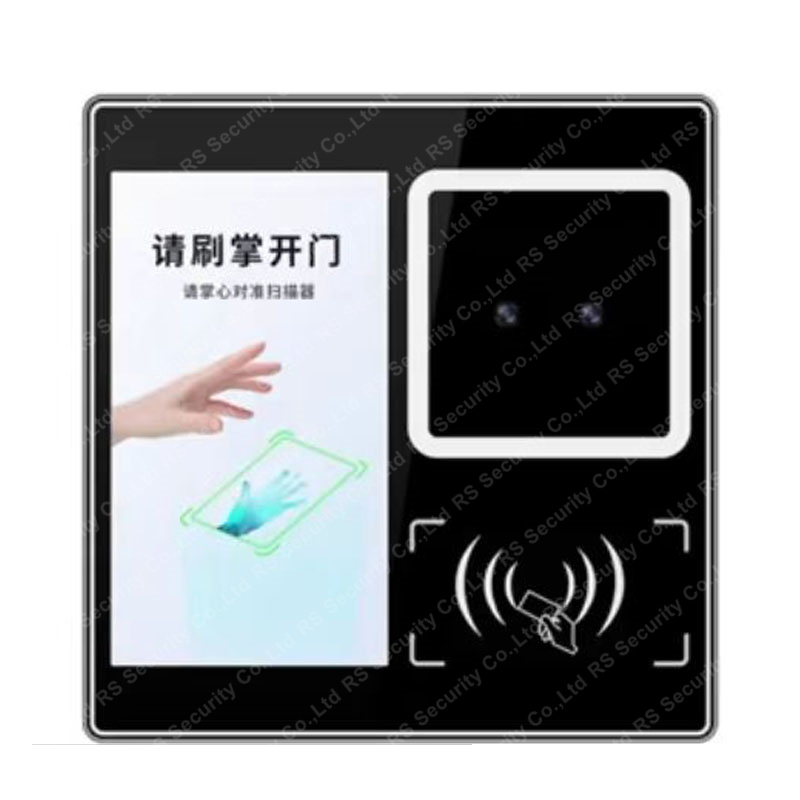
Palm Vein Face Recognition
Palm vein biometrics face recognition reader has the power to revolutionize payment and security systems, offering numerous advantages such as less susceptible spoofing.
This paper describes a novel method of segmenting palm vein images using an efficient channel attention residual U-Net and combined loss functions for learning discriminative features that allow recognition and verification of palm veins.
Privacy concerns
Palm vein scanning is an innovative biometrics-based authentication system that utilizes the unique pattern of blood vessels on one’s palm to verify identity. This biometric offers greater security than traditional passwords or fingerprint scans due to not exposing people’s vein patterns for others to see. Furthermore, facial recognition poses risks due to exposure of facial features which could allow for spoofing attacks; palm vein scanning does not present this risk. Unfortunately, though this technology comes without privacy concerns: privacy advocates argue it stores one’s vein pattern in databases which could lead to identity theft or even theft!
Palm vein scanners pose serious privacy concerns because of their ability to capture blood vessels on an individual, which allows them to identify them even if their palm has been cut, burned, or covered with gloves. Furthermore, these devices use near-infrared light technology to detect veins – making manipulation impossible with false images.
Palm vein scanning technology raises some concerns, as it could potentially be used to identify people from photographs, which may be illegal in some countries. But its benefits far outweigh these risks: protecting personal information and preventing identity theft as well as increasing employee productivity are just three benefits that come to mind; home security could also benefit greatly with fingerprint recognition being used to unlock doors more easily with just one finger or thumb use – such as with Eufy’s FamiLock S3 Max smart lock that uses palm vein recognition unlock doors automatically!
Palm vein scanning offers several advantages over other biometric technologies, like fingerprint sensors and facial recognition. First of all, it does not require physical contact with the scanner, making it ideal for hospitals and workplaces that must follow sanitization protocols. Furthermore, its resistance to dirt, dust and grease makes it less impacted by changes in environmental conditions, such as humidity. Furthermore, palm vein scanning can be used to track employee time attendance records.
Biometrics
Palm vein scanning is a biometric technology that offers security, convenience, and respect for privacy. This biometric identifies people based on unique patterns of hemoglobin circulating through their veins – making it almost impossible to falsify or falsify – making it a superior alternative to fingerprints or facial recognition which may be misled by photos or surfaces such as photographs.
Due to its accuracy, convenience, and privacy advantages, palm vein recognition technology is becoming an increasingly popular option for mobile payments. A portable device captures images of someone’s hand vein pattern, then compares it with a database to verify their identity – often faster and safer than using credit or debit cards! Furthermore, palm vein recognition requires less intrusive technology such as facial recognition which involves taking pictures of someone’s face or eyes using cameras.
This system enhances palm vein images by eliminating noise. After extracting global and local features based on wavelet transform coefficients, similarity score calculations for feature vectors were carried out to generate similarity scores for them; additionally, concatenation and projection techniques produced match scores which were then verified via nearest neighbor methods in order to validate authenticity of vein images.
Palm vein recognition technology is increasingly being implemented into various fields, from healthcare to employee time and attendance monitoring. This tool helps streamline payroll processes while decreasing time theft incidents – creating a more accountable workplace with improved transparency. Furthermore, integration can take place seamlessly with bank systems for added protection during financial transactions.
Palm vein scanning stands out from biometric technologies by working well across various environments and conditions, even under low lighting conditions. Furthermore, its low false rejection/acceptance rates make it an excellent candidate for access control applications; unlike fingerprint and iris scanners that can be affected by cuts or bruises on skin surfaces.
RS Security Co has introduced an AI processor featuring palm vein recognition capabilities specifically tailored for smart door locks, using its WiseEye PalmVein technology. It is capable of being combined with other biometrics for more robust security measures and has already been implemented by Fujitsu’s vein scanning tablet, ZTE smartphones and other vendors.
Accuracy
Palm vein recognition is a biometric technology that uses infrared light to map vein patterns beneath the skin’s surface, producing scans which are nearly impossible to duplicate or forge – providing a secure method of authentication that’s non-contact and non-invasive, making it suitable for healthcare settings where patients must verify identities before accessing medical records securely.
Accuracy associated with vein scanning technology is very high when compared with other biometrics like iris or fingerprint scanning, not being affected by external factors like cuts, scars or ageing – making it an excellent long-term biometric modality.
Palm Vein Identification Systems work by first enhancing a vein image and then extracting global and local features from it, followed by performing a similarity measure on these features and then combining them to produce a decision. The end result is an accurate and robust system suitable for various uses such as unlocking mobile phones or password entry.
As part of the proposed model’s effort to enhance recognition accuracy, a U-Net segmentation model was devised. This U-Net segmentation model removes redundant noise while augmenting domain-specific features to more accurately recognize palm vein samples. Furthermore, loss functions like hard triplet loss and ArcFace loss were implemented so as to target hard-to-classify palm vein samples more precisely.
Results show that our system achieves an EER of 0.1378% for palm vein recognition, one of the lowest EERs available in industry. Furthermore, results were extremely consistent, showing no regressive behavior with larger kernel sizes or background images or poor-quality vein images. Finally, the system proved resilient against effects such as low-quality images.
Palm vein recognition offers several distinct advantages over facial recognition systems that rely on direct facial capture or other means, such as fingerprint scanning: 1) Palm vein scanners do not expose people’s faces for capture by malicious actors for use in spoofing attacks and 2) They don’t involve direct physical contact between person and measurement equipment which could expose people to germs that might spread disease;
Cost
Palm vein scanning is an efficient and secure method to authenticate a person’s identity, working by capturing dark vein patterns beneath the surface of their hand, matching them against a database, and authenticating against that ID number. Palm vein scanning offers an alternative to facial recognition systems which may be susceptible to liveness attacks as fingerprints do, yet palm vein patterns do not change due to unexpected environmental conditions – making this an ideal option for high security applications like healthcare and non-intrusive usage such as when people come in contact with equipment regularly.
Technology that utilizes palm vein scanners is becoming increasingly widespread and already found on some mobile devices. Fujitsu’s new tablet includes one, while multiple smartphones from ZTE ship with eyeprint software that uses smartphone camera to capture users’ eye vein patterns for authentication purposes. Unfortunately, however, there can be drawbacks with this method; for instance it may become inaccurate when damaged vein patterns are worn over by gloves, or the system fails altogether when hands become wet or dirty.
As another drawback, this system can be expensive for large-scale deployment in organizations with numerous employees or customers. Initial hardware investment and ongoing maintenance costs can be substantial; therefore it’s essential for companies to carefully assess their needs and challenges prior to deciding if this identification method is right for them.
As the payments landscape continues to evolve, biometrics is becoming ever more essential to ensure security and convenience. Palm vein scanning stands out as a particularly promising technology that could revolutionize traditional methods. Ingenico’s palm vein biometric reader uses near-infrared LED lights to scan user hands using near-infrared light sources; dark vein patterns within their blood are then detected which are then compared against stored templates to verify validity of identity.
The RS 8001-PE5 Max is an advanced smart lock that utilizes palm vein scanning technology to unlock doors. It provides numerous benefits, such as superior security, contactless convenience, hygiene and feature stability – not forgetting Wi-Fi 6 connectivity and being certified BHMA Grade 1.