The Advantages and Disadvantages of Speed Bump Devices
Property managers looking to add speed bumps on their properties have various options available to them when installing speed humps and speed bumps, including speed humps and speed bumps. While both offer undulated pavement surfaces that encourage motorists to slow down, each type has unique functions and goals.
While both features can increase traffic noise and damage vehicles when traversed at high speeds, selecting appropriate ones can make a difference when it comes to meeting safety standards.
Reduced speed
Speed bumps can be an effective tool to reduce traffic in residential areas, particularly around schools and homes, helping to decrease accidents involving children and reducing vehicle speeds by 40-50% – helping to prevent traffic related collisions as well as being cost-effective than hiring a traffic cop to enforce speed limits. Research shows this to be true. Furthermore, speed bumps have proven more cost-effective than hiring an enforcement officer for speed limits than having them installed by themselves.
Speed bumps do more than reduce vehicle speeds – they also serve to heighten driver awareness by encouraging motorists to slow down when approaching them and allow them to better see and process their surroundings, such as pedestrians and signs. Their primary function, though, is making it more difficult for drivers to disobey traffic laws, thus improving road safety for everyone on the road.
Speed bumps may present certain disadvantages for passengers and drivers alike. Their use can create noise pollution and wear and tear on vehicles that requires additional fuel consumption as a result of repeated jolting over them, not to mention discomfort for passengers with medical conditions that limit movement.
Speed bumps aren’t the only effective methods of traffic calming; other strategies, such as narrowing lanes and adding curb extensions can be used to decrease vehicle speeds. Other tools for managing traffic include traffic management systems and community engagement & education – these tools combined can create a comprehensive strategy promoting safer roads for all residents.
Speed humps may be effective at reducing vehicle speeds, but they can cause significant damage to vehicles and disrupt traffic flows, creating issues for emergency vehicles and buses as well as aggravating back or neck pain for passengers. To minimize these issues it’s wise to place speed bumps where they won’t cause significant harm either to vehicles or people.
Speed bumps tend to be overrated; in reality they may only reduce average vehicle speeds by 10 mph in their immediate area – they may not work effectively where traffic flows are more complex.
Increased visibility
Speed bumps can be potentially hazardous if they’re not visible enough, particularly for drivers traveling at high speeds. Hitting one could damage their vehicle or lead them off the road entirely, potentially resulting in an accident. These issues can be mitigated through raised road bumps, reflective striping or similar features which make slowing down easier and avoid collisions between cars or pedestrians.
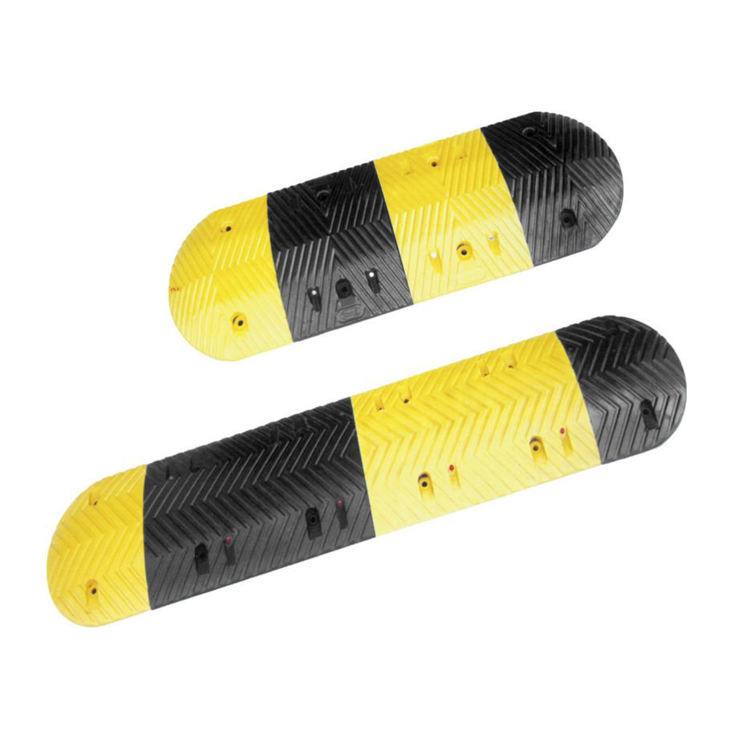
Speed bumps are raised portions of pavement designed to force vehicles to slow down, usually made of asphalt, concrete, rubber, or some combination thereof and often with stripes or colors to increase visibility and warn drivers. They often feature signs to alert them of their presence while other forms of traffic calming devices including speed cushions and rumble strips may also be employed for additional traffic management in residential areas or schools as appropriate.
Speed bumps may be effective at slowing vehicle speeds, but they can also pose risks to pedestrians. Crossing over these hazards requires extreme care as any misstep could result in being hit by a vehicle or falling over them and leading to injuries for those around. Without proper visibility and signage around them, pedestrians could easily be struck by vehicles or trip over them leading to severe injuries and lawsuits from private property owners.
Speed humps present another major issue; they increase noise pollution while wear and tear on vehicle components such as brakes, engines and suspension is increased. Furthermore, speed humps may impede emergency vehicles, delaying response time up to three minutes – something hospitals and other emergency services must deal with quickly in an emergency situation.
Selecting the appropriate speed bumps for your property is of utmost importance. There are various kinds available and each comes with its own set of advantages and disadvantages, which will depend on where they’re being installed; residential areas might benefit more than busy streets or office parking lots, so make sure that any device matches up with local regulatory guidelines when making this selection.
Reduced damage
Speed bumps are traffic control devices used to decrease vehicle speeds by creating an abrupt reduction in road surface. They are effective at reducing speed, leading to less severe injuries to pedestrians, thus improving road safety. They are easy to install and inexpensive. Unfortunately, they come with certain disadvantages; regular maintenance may be required and they may damage vehicles driven over them, leading to higher repair costs or possibly preventing insurers from paying out claims – should this become an issue, it is wise to review your insurance policy as well as speaking with an agent regarding specific terms & conditions of coverage in case this arises.
Studies have demonstrated the efficacy of speed humps at reducing vehicle speeds on local and major roads, and leading to reduced pedestrian-motor vehicle collisions (PMVCs). Their effects are most notable on local roads where local-pair analysis revealed that children living within one block of a speed bump were significantly less likely to sustain injuries when struck by cars than their counterparts further away.
Another study determined that speed humps were linked with a 22% decline in PMVC rates on local streets surrounding them, particularly for children and youth ages 0-15, but did not influence other traffic-calming measures.
Speed humps have one major drawback that prevents them from being installed on primary response routes: they can delay emergency vehicles and ambulances by up to three seconds per hump, leading to longer wait times for patients on board. As such, speed cushions offer better solutions.
Speed humps not only slow traffic down, but can put an unnecessary strain on a car’s suspension system, leading to increased wear and tear on tires, shock absorbers and springs – even among more advanced models with sophisticated suspension systems. In addition, speed bumps often produce noise or vibrations that are bothersome to passengers.
Increased functionality
Property managers have discovered that using various traffic-controlling features to meet safety standards can be an effective means of meeting safety objectives. Speed bumps, for instance, installed on pavement can encourage motorists to slow down in order to reduce accidents.
Speed bumps allow drivers to better assess their surroundings, including other vehicles and pedestrians, and can ensure motorists adhere to navigational requirements like stop signs or directional flow.
Speed bumps offer another significant benefit by forcing drivers to slow down before crossing over them, thus decreasing vehicle damage and prolonging tire and vehicle lifespans.
Speed humps may pose challenges to emergency vehicles. Their slowing effect may extend response times of ambulances and fire trucks; as ambulances and firetrucks must drive slower over each hump. As such, these speed bumps typically are not placed along primary emergency response routes.
Dynamic speed cushions offer another alternative to traditional speed bumps; similar to hump technology but activating when vehicles exceed certain thresholds. Emergency vehicles can straddle them without issue – making these cushions far more useful than their predecessors!