Multi Sensors For One Arm Turnstile Barrier Free
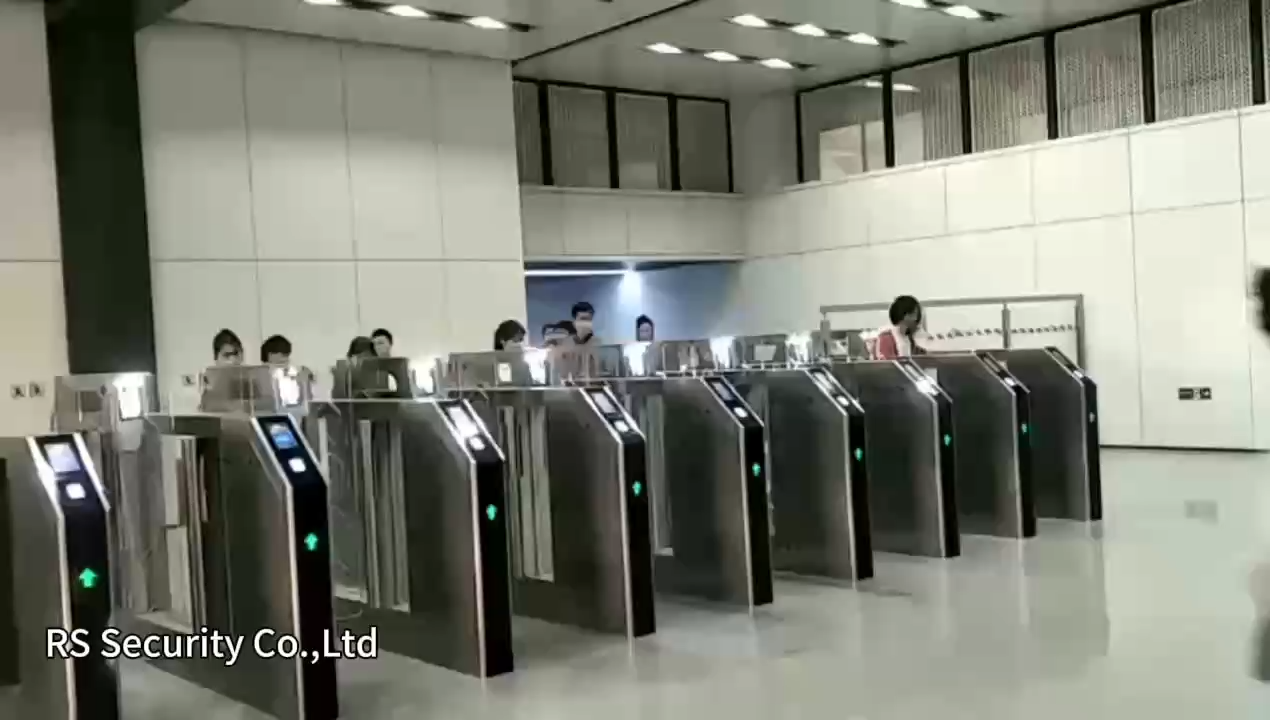
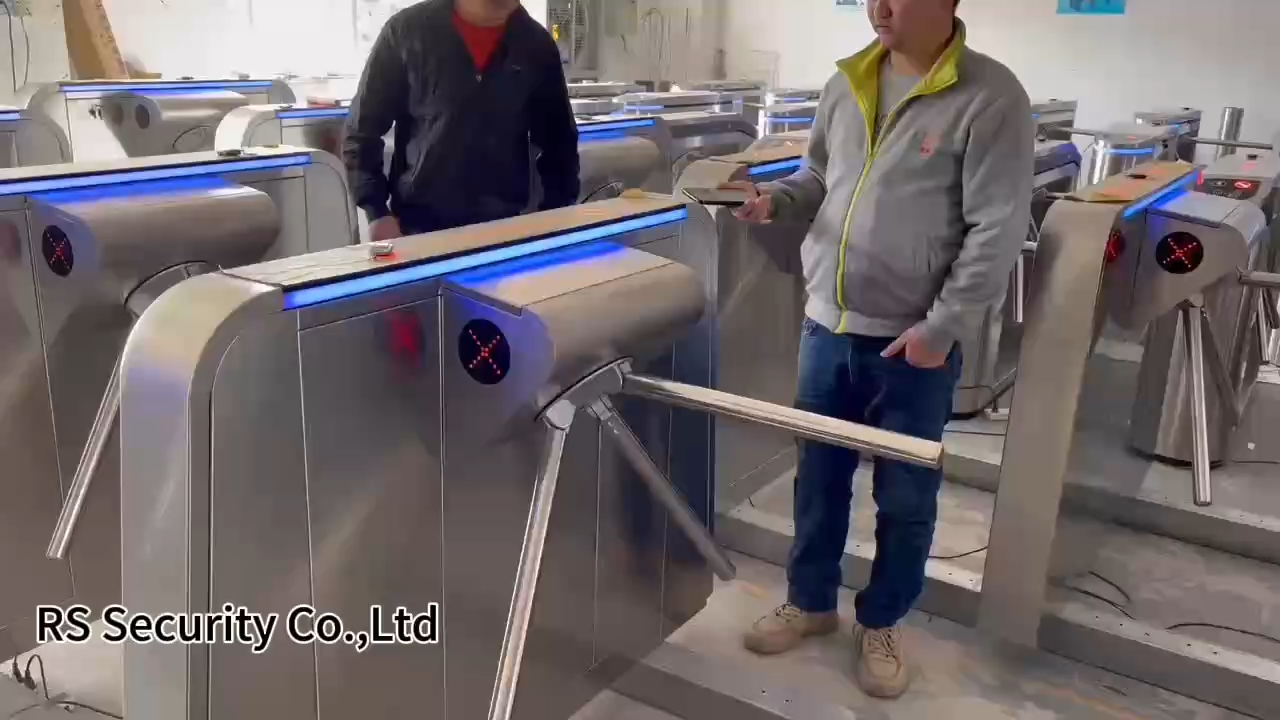
Security one arm turnstile gates provide an effective visual and psychological deterrent against unauthorised passage, typically used at scenic spots, transportation hubs and enterprises to control entrances.
Maintenance is key when it comes to keeping turnstile gate mechanisms in good condition, helping reduce risks and increase stability. Lubricate all of the drive gears and wheels of barriers regularly for optimal results.
Optical Sensors
Optic sensors transform optical images into electronic signals, using light-matter interactions as data to provide real-time tracking of movement, position, status of equipment. Used extensively across robotics, machine vision systems and automotive systems – optical sensors also measure mechanical quantities such as deformation strain and vibration.
Fiber-optic sensor technology can be used to fine-tune the optical properties of signal transducers to meet application-specific needs, making them less susceptible to electromagnetic interference and operating efficiently at higher temperatures, with immunity against flammability and electrical shock resistance properties; they are widely utilized across aircraft, telecom, consumer electronics and military applications.
As soon as someone approaches a turnstile, an infrared beam of light is sent out and an optical sensor detects any changes in how reflected light reflects back from their body, face or clothing – such as reflection or transmission changes between body parts such as face, clothing or face – and transmitted back to the control system for verification. With its multi-pair of optical sensors with high switching frequency and precision light beam ensuring quick response time as well as precise lighting capabilities this solution provides speed measurement, ejection control, positioning tasks, counting objects quickly and cost effectively.
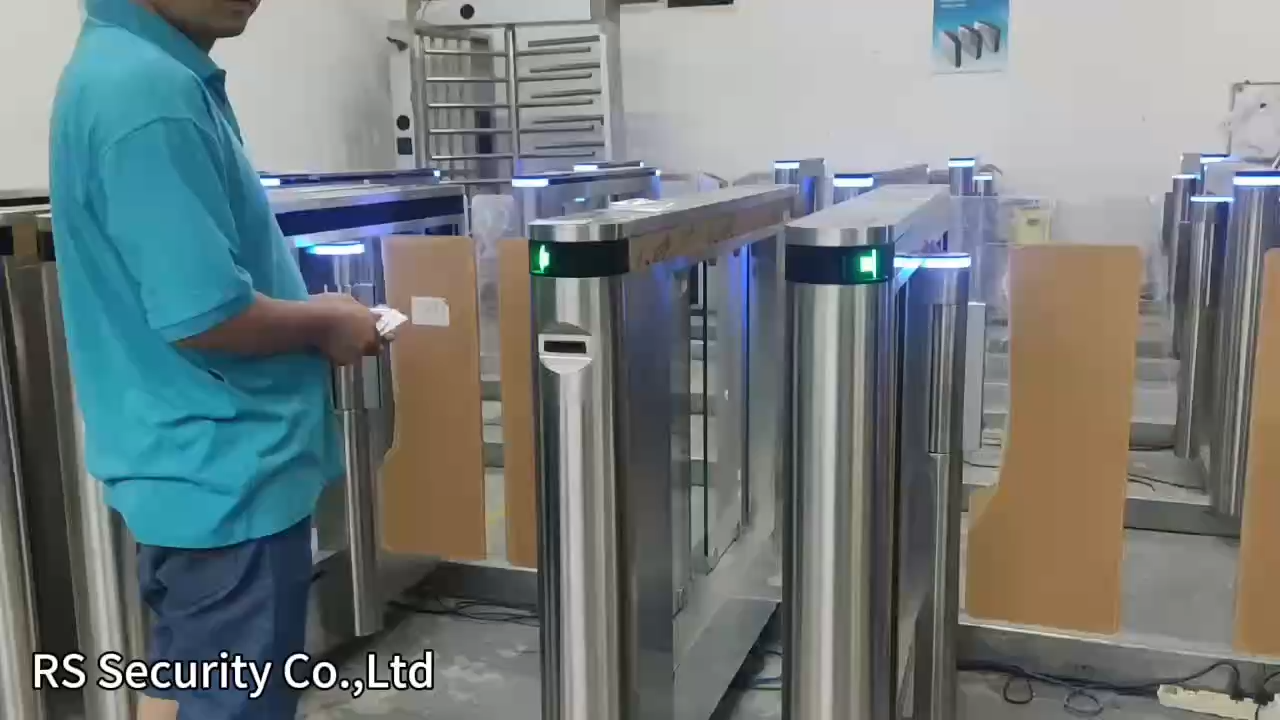
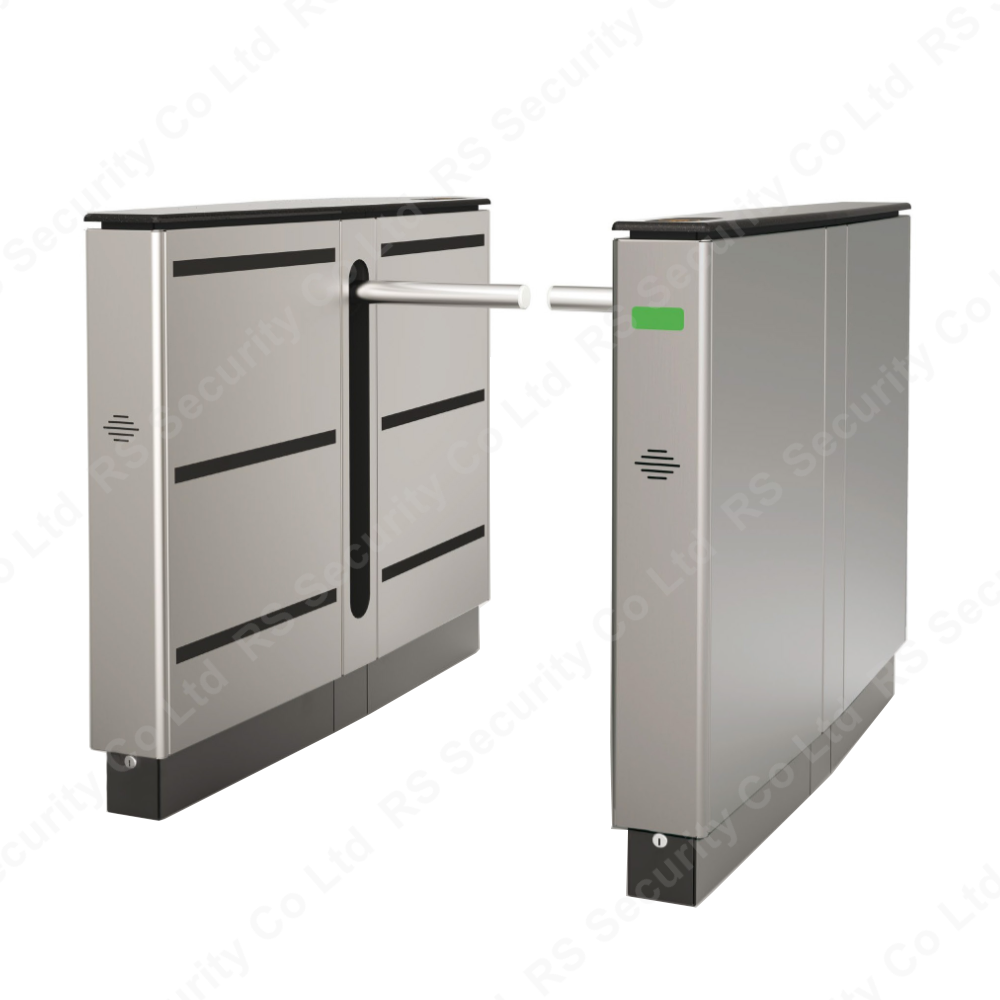
The RS 1008-LS optical drop arm barrier turnstile is an access control system designed to be both aesthetic and secure, featuring infrared anti-pinch, mechanical anti-clamping, improved electric current detection technology and triple anti-collision technologies for added protection and fraud prevention. Compatible with various access management systems including fingerprint, QR code scanning and face recognition technologies; as well as monitoring human movement for fraud prevention or increased security purposes by identifying strangers through infrared anti-pinch clamping technology as well as improved electric current detection technology features; all this rounded off nicely by its feature anti-pinch mechanical anticlamping capability which features infrared anti-pinch technology while improved electric current detection technology features improved electric current detection technology with triple anti-collision technologies for added protection.
Intelligent design of optical drop arm barrier turnstile enables it to detect pedestrians who attempt to bypass or bypass without passing through its gates, including those who attempt to pass without passing the gate. If someone attempts to bypass a valid entry or pass without passing through its gate without passing its gates, the system automatically retracts physical barriers and sounds an alarm; additionally it recognizes handicapped persons by adapting itself accordingly and adjusts to their unique body shapes.
Infrared Sensors
Infrared (IR) sensors have become an indispensable component of modern security systems, helping avoid false alarms by detecting persons and objects and switching on lights immediately upon detection. When coupled with video surveillance systems, they also add another layer of protection while keeping turnstile areas secure for customers and employees alike.
These types of infrared sensors use an emitter and receiver situated close together. Their infrared radiation is reflected back to the sensor module by objects of white color while black surfaces absorb it; then translated by the sensor into output signals for output purposes.
Passive infrared sensors are one of the most frequently used IR sensors to detect people and objects. They utilize two pyroelectric infrared detectors placed side-by-side, with each detector capable of sensing movement by comparing differences in signal strength between them – when this doesn’t remain equal, movement has occurred and your system may respond by activating floodlights, activating alarms or notifying authorities immediately of breaches in security.
Active infrared sensors (AIRSs) are often utilized by traffic monitoring systems to classify vehicles. They’re usually installed along the sides of roads and can measure volume, speed, queue lengths and vehicle detection/classification.
Tobi makes creating scripts to read the status of an infrared sensor easy. Simply select it from the Sensors Palette, choose its pin in the second drop down menu, and use an If block beneath the sensor with text that reads: If no object detected.
If your organization wants to ensure the wellbeing of employees and customers by protecting them from hazardous gases, then reliable gas detection sensors are crucial. Traditional infrared and catalytic gas detectors are subject to false alarms from temperature changes, atmospheric pressure changes and humidity shifts; leading to inaccurate readings and false alarms. New technologies like Molecular Property Spectrometers (MPSs) offer better solutions.
Passive Sensors
Passive sensors differ from active sensors by gathering and measuring natural or ambient energy without transmitting their own pulse of energy. An example is your phone camera which acts as a passive sensor by seeing light reflected off your body and clothes and recording its reflection in real-time. Other examples of passive sensing technology are radiometers (which detect electromagnetic radiation such as sunlight), and spectrometers which analyze spectrum refraction.
Turnstile gates utilize different kinds of sensors to track people passing through and activate actions accordingly. These sensors are integral components of turnstile gates, as they ensure safe and efficient passage control. Common options for turnstile gates include infrared and optical sensors; other forms may also be available depending on specific applications.
Some turnstiles come equipped with anti-pinch sensors to protect people from being accidentally pinched by the gates’ motors and wings or arms. These sensors are installed at waist height in gates to detect any resistive forces against movement of wings or arms and once an obstacle has been identified by them they send a signal back to the access control system of the turnstile to stop their movement and prevent entry.
Although turnstiles are designed to be durable and long-term, some components can wear out over time. To extend its longevity and ensure safe and efficient operations for as long as possible, follow maintenance guidelines and perform routine checks – this will keep your turnstile functioning safely and effectively for as long as possible.
Not only can taking these steps reduce maintenance costs, they can also enhance the overall efficiency of your turnstiles. By adhering to these guidelines, your turnstiles should continue operating at full capacity while minimizing risks related to unauthorised passage. As security concerns and EHS regulations increase, demand for barrier systems is likely to grow over time – providing cost-effective protection of workplace environments as well as vehicles from theft or vandalism.
Biometric Sensors
Biometric sensors have become an increasingly prevalent phenomenon across several fields. From fingerprint scanners that read vein patterns to infrared cameras that scan iris images, these devices are revolutionizing how we interact with technology and are revolutionising how we identify people. Some devices even replace passwords for access control by offering more secure identification of individuals.
Biometric sensors generally fall into two categories: physiological and behavioral. Physiological sensors measure physical characteristics such as body composition while behavioral ones gauge patterns of activity to verify an identity or detect fraudulent attempts using stolen credit cards. Such measurements can help verify an individual or detect attempts by fraudsters using stolen cards to gain entry.
Biometric technologies such as fingerprint sensors, facial recognition software and iris scanning have long been standard practices; but more unusual biometrics such as earlobe checking, DNA detection and signature dynamics have recently made headlines. Iris scanning has long been employed at borders; fingerprint sensors are becoming more and more widely deployed within consumer and corporate security deployments – even Microsoft has recently implemented biometric support that enables users to use fingerprint authentication as passwords on Windows 10.
Biometrics can also be applied to transportation and mobility planning, using biometrics as an analytical tool. Researchers from Rutgers’ Edward J. Bloustein School of Planning and Public Policy are employing this form of measurement to understand how different modes of transport impact stress levels of their passengers; in one such study they analyzed sensor data gathered on eye movements, heart rates, and sweat levels of those participating.
People continue to use biometrics both at airports and at home in order to protect their privacy and prevent fraud, with these technologies becoming more affordable and reliable as their adoption becomes widespread. Key for success of biometric technologies lies in integrating them into a comprehensive cybersecurity strategy.
Selecting an ideal turnstile barrier gate can be essential in many settings, from schools and hospitals to office buildings and government agencies. Turnstile gates provide security while still permitting free flow of people through restricted areas while still permitting security control of access restrictions. A high-quality turnstile is designed for longevity with advanced anti-passback and tailgating features as well as sensitive impact detection; more popular models also allow customization according to specific needs or aesthetic preferences.