Roadway Safety and Security Barrier Bollards
Urban planners and security professionals rely on rising bollards as an effective way of mitigating risks in high traffic areas. These unobtrusive yet effective barriers provide the ideal balance of security and aesthetics.
There are various kinds of road safety security barrier bollards, each serving its own specific function. From permanent fixtures to retractable and portable models – some designed specifically to withstand impacts while others absorb them depending on their environment – each type offers something special.
Impact Resistance
Bollards are designed to withstand vehicle impact and protect pedestrian areas from vehicles. Additionally, they act as barriers against unapproved vehicle access in sensitive locations like government buildings or military bases. Available in various forms, sizes, materials and configurations to meet different application needs; crash-rated versions provide extra security against threats like ram raiding. Bollards may be installed permanently into high traffic areas or deployed and removed quickly when necessary for events or meetings.
Security professionals should select bollards with appropriate crash ratings based on their location and potential vehicle threats, in order to reduce car attacks while protecting people, property, and critical infrastructure from harm. Crash resistance of bollards is measured by their ability to stop and deflect vehicles at specified penetration distances based on rigorous tests that mimic real world conditions and speed of vehicles; K-rating standards established by the Department of Defense (DoD) provide minimum level protection while M-ratings provide more rigorous protection in more high security locations; K-rating standards set the minimum level protection required while M-ratings apply more stringently for high security environments.
Strength of a bollard depends on both its material and design. Steel bollards offer superior impact resistance compared to other forms of barriers; they’re typically secured using concrete encasement or base plate mounting for maximum force resistance, with an anti-crash cushion for extra safety and resilience. Polymer bollards offer shock absorption properties that mitigate impact damage while still being effective barriers against vandalism or theft of vehicles.
To maintain the integrity of a bollard’s structure, proper installation is key. Installation should involve conducting a detailed site survey in order to detect any issues which could compromise its effectiveness, followed by inspection and maintenance to keep them functioning as long as possible.
Installation and maintenance of roadway safety security barrier bollards should adhere to industry standards. British Standard PAS 69 offers best practice guidelines for the installation of HVM bollards; its specifications cover depth sizing, anchoring methods, design considerations and more. To achieve peak performance levels for bollards it should also be tested by an independent body prior to being placed into use on roads or pathways.
Flexibility
Bollards serve a number of useful functions when used as both permanent traffic control measures or temporary security measures for an event, from delineating pedestrian walkways and preventing vehicular attacks to restricting access to certain areas or protecting storefronts – making them a less impractical alternative than high-security concrete walls for certain locations.
As part of their perimeter security measures to address vehicle-based threats, many companies are adopting bollards into their security plans as an anti-vehicle measure. This includes businesses, government facilities and even airports. Bollards are designed to block off unauthorized vehicles while still allowing pedestrians, designated delivery and emergency access – with concrete, stainless steel or aluminum versions being among their options.
Stainless steel and concrete bollards are the two most commonly used varieties, providing both durability and reliability. Both offer considerable impact protection while supporting heavy vehicles; concrete bollards are lightweight for easy installation or removal. In either case, however, each material used is rated according to one of four internationally accepted standards allowing customers to assess the level of protection these safety features will provide them.
Another option for parking space safety is using flexible bollards. These brightly-colored bollards with reflective patches provide drivers with easy visibility, acting as non-impact solutions in parking separators or restricted loading zones where trucks must move within restricted zones. They’re also ideal for marking the boundaries of private parking spaces.
Visual indicators make it clear to drivers that a roadway is not meant for pedestrians when used correctly. They serve as a great way to distinguish a walkway from the road and can even be combined with other traffic-calming methods, like speed humps or one-way streets, to further calm traffic flows.
Bollards and barriers can be an effective tool in mitigating the impact of an attack, but it must be tailored specifically to a given environment. By conducting site assessments and selecting certified solutions that adhere to industry standards, organizations can maximize safety while decreasing vulnerability.
Security
Hostile vehicles present a serious risk to both pedestrians and property. While car crashes into buildings may be the result of distracted or reckless drivers, attacks against government facilities, banks or areas receiving high levels of pedestrian traffic are deliberate attempts by hostile vehicles to breach restricted areas by driving into them directly or by intentionally smashing through walls with their tires. Crash-rated bollards should be deployed around areas susceptible to hostile vehicle attacks in order to protect both people and assets from hostile vehicle attacks.
Road safety barrier bollards offer protection from accidental vehicle encroachments on pedestrian zones, improving the pedestrian experience and lowering accidents. They may also be used to create dedicated bike lanes ensuring cycling remains safe in urban environments while encouraging environmentally sustainable transportation alternatives.
Road safety barrier bollards reduce fatal accidents by deterring unwary traffic from entering pedestrian zones or other designated areas without authorization, thus improving traffic flow and increasing roadway capacity in congested urban environments. They also play an essential role in traffic flow management by deterring unauthorised vehicle movements – an approach proven effective when trying to control vehicular movement into restricted zones such as pedestrian zones.
Road safety barrier bollards offer another benefit, in that they come in an assortment of materials and designs to match any facility owner’s architectural vision for their site. Decorative bollards are especially popular among businesses, government facilities, and other locations looking for security measures that fit seamlessly into the neighborhood streetscape.
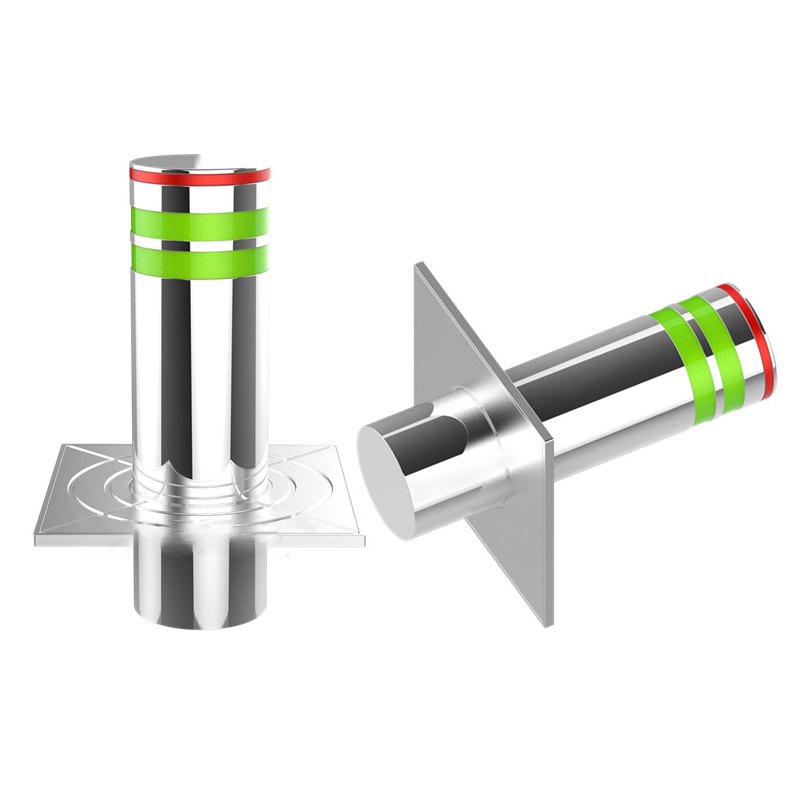
Some bollards are permanently attached, while others can be easily retracted or removed when not in use. This flexibility enables facility managers to control access with minimal disruption while accommodating temporary traffic needs like special events or seasonal road closings. Retractable bollards are particularly popular among airports, government buildings, and other facilities where security needs may change from day to day but vehicular access might occasionally be needed.
As more storefronts have been targeted by hostile vehicle attackers looking to take valuable merchandise or disrupt business operations, crash-rated bollards from RS Security Co offer protection by stopping vehicles from driving into buildings and onto them – providing cost-effective and reliable ways of deterring attacks while mitigating risks of devastating damages.
Maintenance
When investing in the security of your facility, it is crucial that it remains protected. Many property owners opt to add bollards to their parking infrastructure to reduce vehicular threats and protect those using it – this robust yet sturdy barrier solution serves as an excellent defense against terrorist attacks or any attempts by vehicles to undermine public safety.
Once your barriers have been installed, they must be cared for to maintain both functionality and aesthetics. This involves regular inspection and cleaning in order to remove dirt, debris, pollutants and any other contaminants which might reduce performance of your bollards or increase lifespan while protecting from corrosion.
Before purchasing security barrier bollards, it is crucial that you understand their maintenance needs. Certain models require more regular upkeep depending on how frequently and type of impacts occur; in general, models with low maintenance profiles will reduce repainting needs, repairs needs and accidental damages more efficiently than more demanding options.
Attention should also be paid to the crash rating of your chosen bollards. There are various ratings available such as K (vehicle penetration), WK (wound zone) and PAS 13 (publicly accessible specifications). In order to achieve optimal performance, your bollards should ideally be tested using surrogate vehicles to ensure they can withstand sufficient levels of impact.
Once you’ve determined the appropriate crash-rated bollards for your needs, it is important to establish what sort of damage priorities you have in mind. For instance, if terrorism is your top concern, select robust models with high impact resistance; while for vehicle collisions select models designed to withstand repeated impacts from smaller vehicles. It is also vitally important that consideration be given regarding placement as well as any additional site-specific security measures that may exist.