Hydraulic Rising Bollard For Road Safety
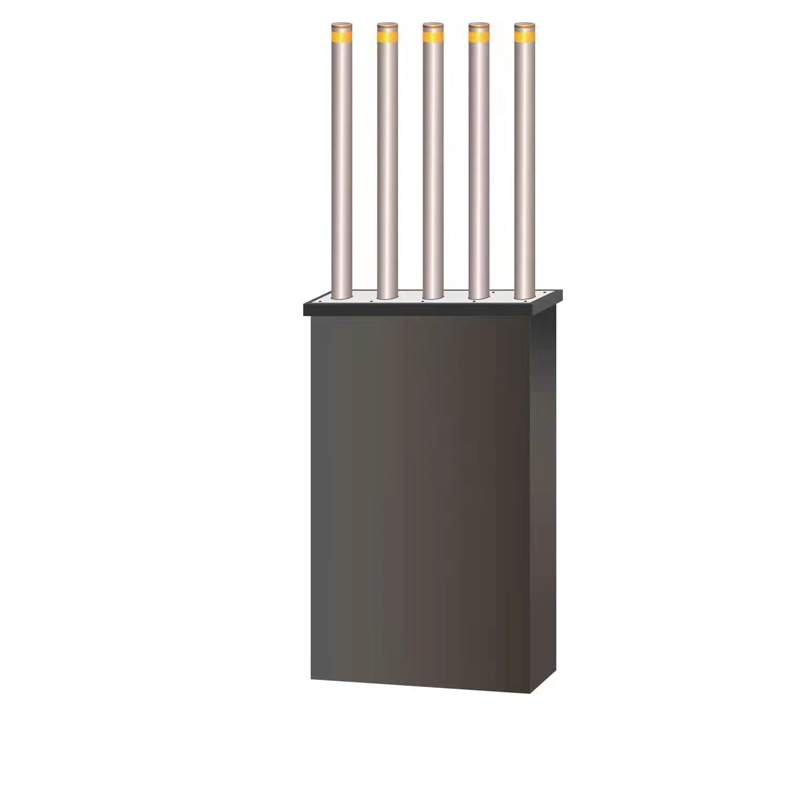
Hydraulic security bollards are an ideal choice for areas that restrict vehicle access. They can be activated using remote controls or keypads and are highly durable; making them popular choices at military facilities, airports, and other sensitive points.
These barriers feature an attractive aesthetic design that fits in seamlessly with their surroundings, and come in various heights to meet your security requirements. Furthermore, their high-performance hydraulic system has an uninterrupted duty cycle to provide long life and reliability.
Safety
Automatic rising bollards are an efficient security measure for blocking vehicle access into public spaces. Integrated with other elements like cameras and license plate recognition systems, these versatile systems can expand their capabilities as well as be tailored specifically to match aesthetic requirements in specific locations such as parking lots, government buildings, gyms, amusement parks or any other high traffic locations. At RS we offer various automatic rising bollard models which can be either permanently installed or removable depending on your security needs.
Hydraulic rising bollards differ from traditional barriers in that they utilize incompressible liquid pushed by a pump to raise and lower them, unlike pneumatic motors which generate excessive noise levels during their operation. As such, this system can be used more discreetly blending more seamlessly with its surroundings.
There are various types of hydraulic bollards on the market, but choosing the ideal one depends on your individual needs and budget. Some provide fully automated control while others feature manual operation; additionally, choosing between hydraulic or pneumatic drive systems has an impactful influence on efficiency and maintenance needs.
Hydraulic rising bollards require little upkeep in addition to being safe. Routine cleaning and application of lubricant will keep it working effectively while protecting it against corrosion. Furthermore, regular checks of oil levels in its piston are important in making sure everything runs smoothly – if your bollard drops below its minimum mark, consider refueling its tank immediately.
In order to meet industry safety standards, security bollards must pass crash tests. Crash tests determine whether the bollard can stop vehicles at their point of impact – an essential test that shows whether it can protect against ramming and other dangerous crashes. Furthermore, high-quality materials must be used when crafting security bollards so they perform as intended and protect against natural forces; at RS we offer security bollards which meet this criteria as well as other industry safety requirements ensuring drivers and pedestrians alike safety.
Reliability
Hydraulic rising bollards are an efficient and cost-effective security measure. They can be installed at highway toll stations, airports, embassies, prisons and hospitals to deter vehicle-related crimes such as ramming attacks, forced entries or theft while providing safe passage for authorized vehicles. Plus they can integrate seamlessly with other security systems for optimal effectiveness!
These roadblock devices can be operated both manually or automatically with an inductive sensor, as well as remotely using a remote control device for flexible traffic management and maximum site security. Their design makes them both durable and user-friendly; boasting strong structures with heavy-duty hydraulic systems designed to withstand extreme weather conditions and temperatures.
Hydraulic mechanisms used by bollards include a metal piston inside of a steel cylinder that is powered by hydraulic fluid, as well as an associated hydraulic pump located within an enclosure or control room that produces enough pressure to raise and lower them. Hydraulic fluid then travels through underground pipes or hoses directly to each individual bollard and through to its control system where it can either be controlled manually via key switch/push-button station, or remotely with wireless remote control device.
In the event of power outage or product malfunction, raised pillars can be manually lowered to allow vehicles to pass. This form of manual control is often utilized in situations requiring only a few bollards be controlled manually; furthermore, navigation rods help guide vehicles down their respective paths.
An important feature of this type of bollard is that it can withstand repeated impacts from large and heavily loaded trucks, which makes them invaluable in areas with frequent truck traffic. A fully automated bollard can even be programmed to rise or retract at specific times to facilitate more efficient traffic flow.
These bollards are highly reliable, featuring long lifespans and minimal maintenance costs. To ensure they work as intended, regular inspection and cleaning tasks must be conducted to keep them functioning optimally; such as using a soft cloth with mild detergent to wipe down surfaces; spraying lubricant onto moving parts for smooth operation and replacing any damaged components; as well as checking on and topping up their hydraulic fluid levels as required to avoid running out.
Durability
Hydraulic rising bollards provide an effective means of controlling vehicular access in sensitive areas. These systems offer multiple advantages, including increasing security by controlling access and deterring vehicle-related crimes such as ramming attacks. Furthermore, these bollards can be integrated with advanced security features like cameras and license plate recognition systems while being designed to blend in seamlessly with their surrounding environments.
Durability of a hydraulic rising bollard depends on multiple factors, including its structure, load-bearing capacity, operational efficiency and ability to withstand harsh weather conditions and heavy usage; providing protection from accidental impacts while protecting against harsh weather conditions is particularly essential where vehicles travel at high speeds; otherwise the device could fail or become damaged over time.
To ensure the safe use of a hydraulic bollard, it must be regularly inspected and maintained. Look out for signs of damage or wear-and-tear in its mechanical structure; check that its power distribution box functions normally; replace any components found to be malfunctioning immediately with new ones; additionally lubricate regularly to reduce wear-and-tear.
Hydraulic bollards come in both retractable and permanent models. Retractable models are perfect for parking spaces and other restricted areas; fixed models should be considered more permanent applications such as blocking unauthorised entry to buildings or roads. It’s essential that an installation site be chosen carefully – ideal conditions should include no obstructions such as fences, walls, or landscaping elements that could interfere with its hydraulic system.
Once installed, a hydraulic bollard can be activated via remote controller or key. Some models come equipped with inductive detection for automatic activation; these features make this solution suitable for highway toll stations, checkpoints, prisons, airports, government agencies, embassies and military bases as well as providing cost-effective security alternatives. Furthermore, its easy integration makes hydraulic systems cost-effective alternatives to traditional security arrangements.
Cost
Rising bollards are an efficient and straightforward solution to keep cars away from areas intended for pedestrians and non-motorized vehicles. Their simple structure can be operated remotely using handheld remote controllers or a touch screen mobile app allowing more accurate access control without manually raising and lowering it each time. Furthermore, this system is designed to work alongside other security measures, including surveillance cameras and Automatic Number Plate Recognition (ANPR).
Hydraulic driving technology enables more precise and controlled movement than traditional pneumatic devices, and its quiet operation makes this option more environmentally-friendly than conventional bollards. Plus, eliminating an air pump reduces energy consumption – an eco-friendly choice.
Electric Rising Bollards provide many other advantages that make them a worthwhile investment for businesses and individuals, from their low costs to its impact and crash resistance ratings and strong protection from unauthorised vehicles. Furthermore, this versatile solution can be used in various ways from blocking traffic to protecting public facilities and roads.
RS bollards can be installed easily in many locations and feature an adjustable height for accommodating various requirements. Furthermore, their high-performance hydraulic mechanism and an automatic driving method allows it to traverse diverse road conditions with ease, as well as have a long service life and remain easy to maintain and have compact size – perfect for commercial or residential parking areas alike!
Some models even boast higher impact resistance and crash ratings to withstand even the most powerful vehicles, while others feature discreet designs that blend into any environment without appearing intimidating – especially beneficial in public places that need extra security without creating an oppressive atmosphere.
Some models also come equipped with both retractable and movable options, giving you plenty of choices depending on the needs of your location. They can be activated using keys, remote controls or access control systems such as card readers and keypads; then activated by their HPU which then pumps hydraulic oil into an automatic bollard to ensure its uprising.