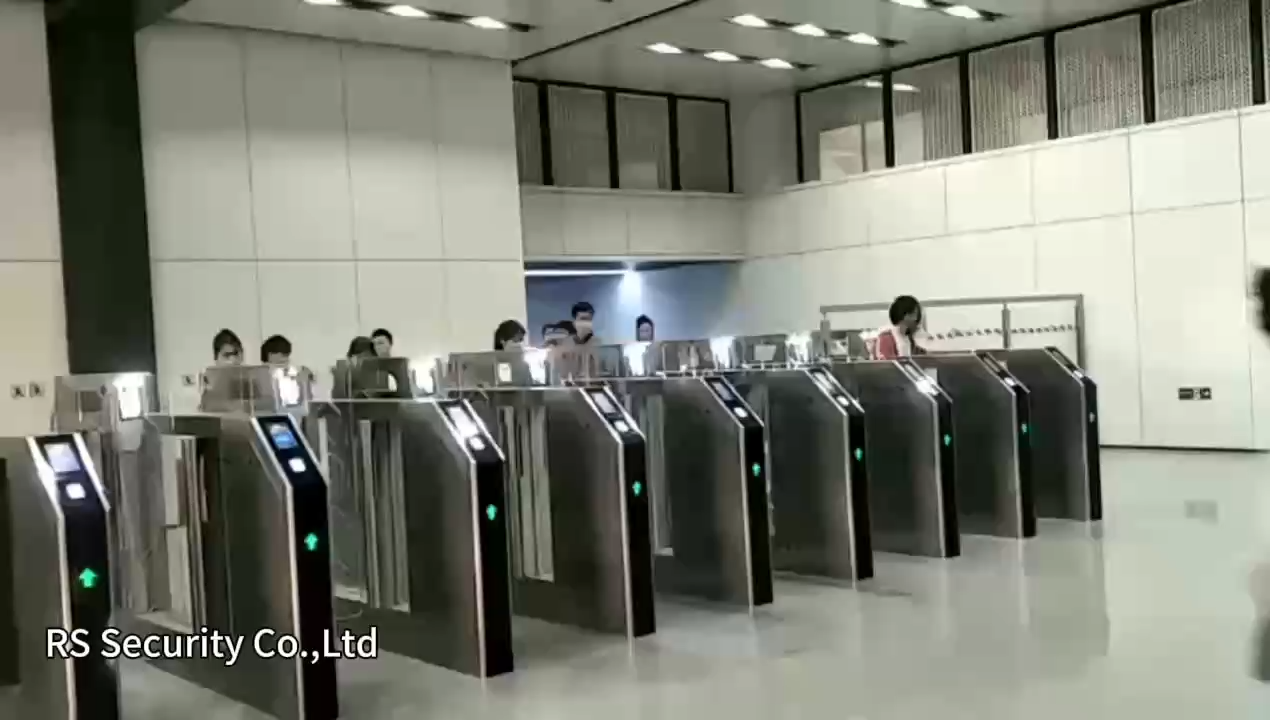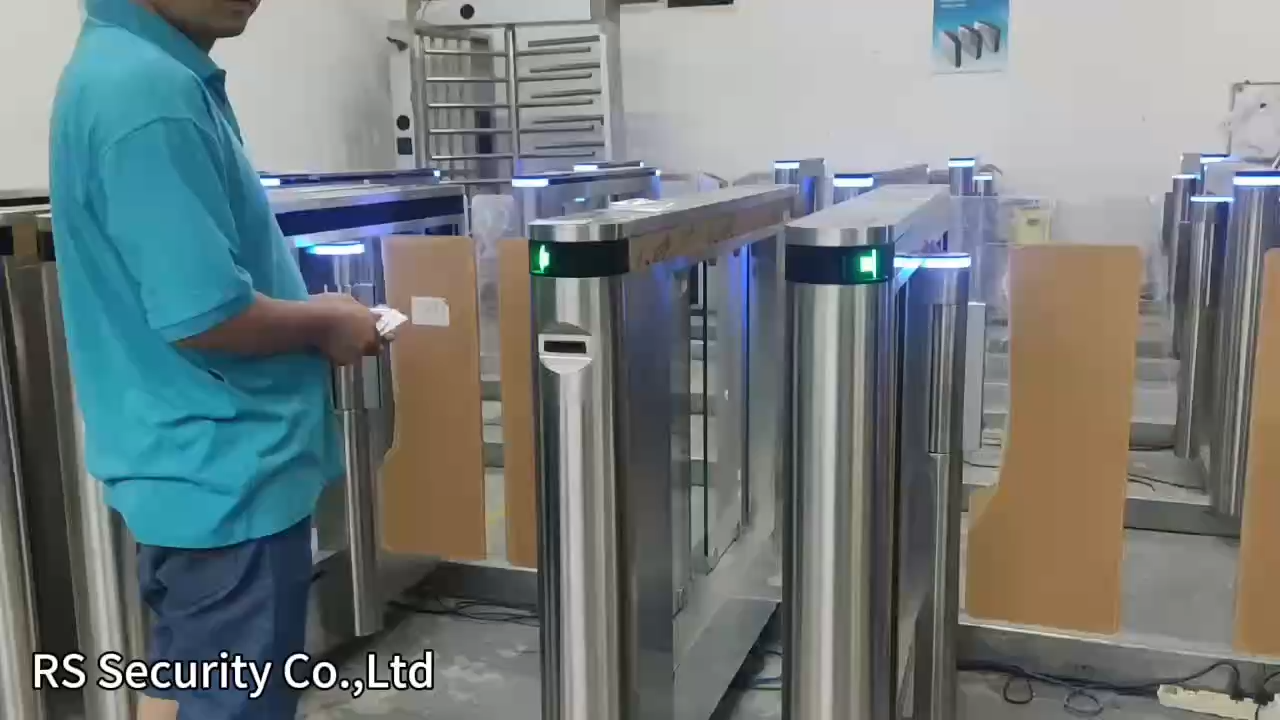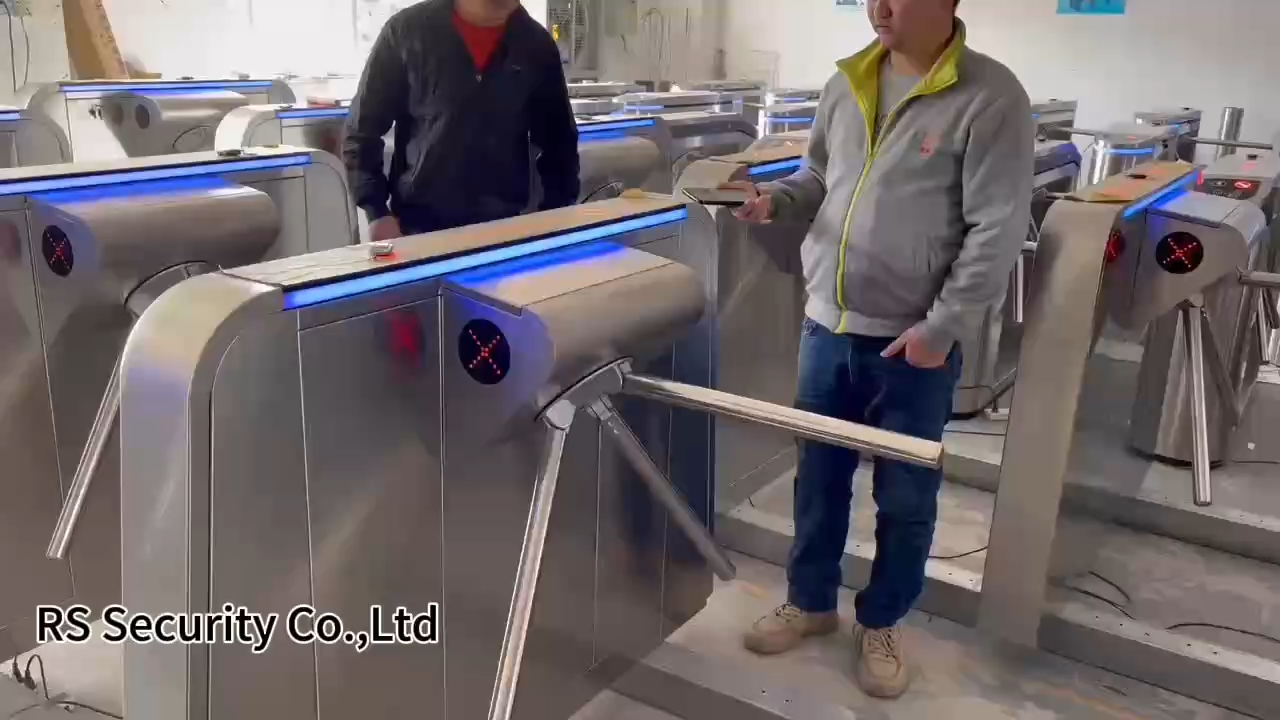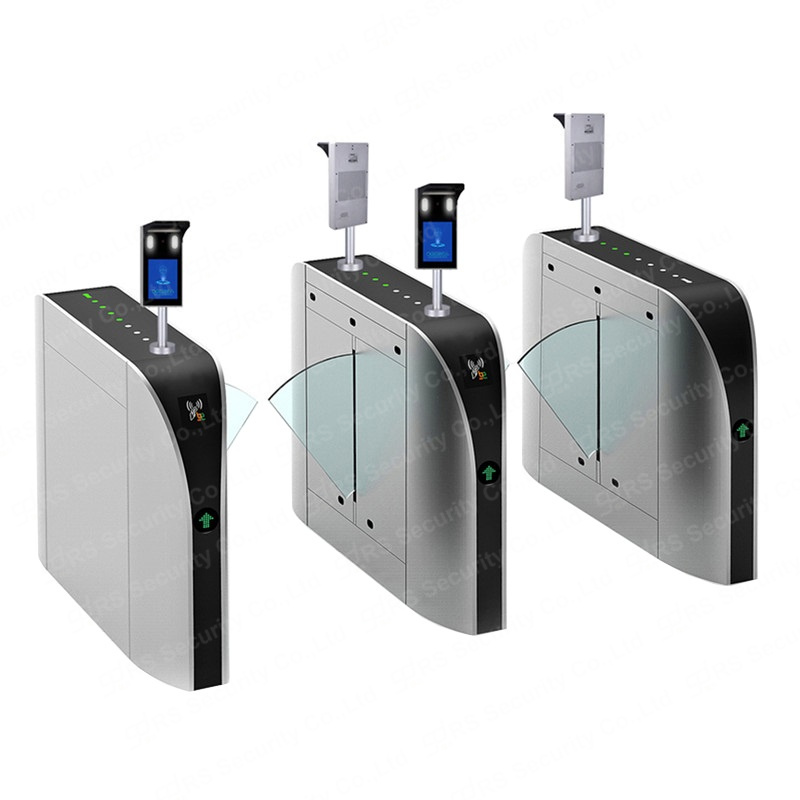
Face Recognition Flap Barrier Turnstile
Face recognition subway flap barrier turnstiles combine access control and facial recognition technology for a user-friendly, efficient experience that ensures high levels of security for facilities requiring such technology.
Face recognition technology provides an alternative verification method, eliminating the need for users to carry or memorize access cards or PIN codes, thus decreasing risk of unauthorised entry.
Aesthetics
Face recognition flap barrier turnstiles are an increasingly popular access control solution among organizations seeking enhanced security and an effortless user-centric experience. Offering accuracy and speed that far outstrip traditional turnstile gates which can easily be jammed or compromised, face recognition flap barrier turnstiles are energy efficient while using minimal power consumption; plus they come equipped with customizable features tailored to meet the specific needs of your organization.
These barriers use high-quality IR scanners to recognize faces and biometric information such as facial features, height and gender before comparing the data with a database to grant or deny access to authorized users. They’re an efficient solution for airports, train stations, malls and office buildings alike!
Contrary to traditional card turnstiles, these barriers feature sleek designs and are less likely to be compromised by thieves. Installation is quick and effortless; adjustments can easily fit any space available – making these barriers the perfect option for high-end offices and clubs that prioritize aesthetics.
Face recognition turnstiles are beneficial as they avoid physical access cards and keys being misplaced or lost; however, some privacy issues as well as potential for biases or errors exist in identification processes. To ensure an enjoyable user experience for all involved parties, best practices for data protection as well as regular testing should be instituted to protect user data and ensure optimal user experiences.
Face recognition systems can further bolster security in the event of a power outage, with most models featuring a fail-safe mechanism to open flaps in case of power failure and allow people to evacuate safely in case of fire or terrorist attack. This feature can also prove invaluable during emergency evacuation procedures.
To maximize the efficiency of your facial recognition system, ensure all members of your staff understand how best to use it. In particular, remove any obstructions during input such as sunglasses or masks that might hinder proper use; follow all prompts from the system interface such as looking directly at the camera for input or holding still for a moment before repeating input process if necessary.
Speed
Turnstile gates with facial recognition technology offer an efficient and smooth entry experience, using facial recognition technology to identify and verify individuals in real-time – eliminating the need for access cards or keys altogether. Furthermore, this system can also integrate with additional identification devices like IC cards, ID readers, bar code systems or fingerprint readers for enhanced security control.
Face recognition flap barrier turnstiles are designed for fast, hands-free passage in environments with stringent security requirements. As an alternative to card-based authentication, they’re an ideal option in large public places with many people and congested spaces; compatible with various identification devices and easily tailored to meet site-specific requirements.
Face Recognition Turnstiles have built-in face sensors that capture an individual’s image as they approach a turnstile gate, before comparing their facial features against a pre-registered database of authorized faces to search for matches. When found, the turnstile arm rises to permit entry; otherwise the gates remain locked and access is denied.
To ensure a successful recognition, it is vital to adhere to system prompts and maintain natural facial expressions, in order to avoid false positives and increase accuracy of future recognitions. Light-colored clothing or uniforms will assist the turnstile system in easily recognizing your identity.
Facial recognition technology poses significant privacy concerns; however, it is an effective choice for organizations seeking to bolster security while offering user-friendly entry processes. It is critical that organizations implement safeguards and best practices such as informed consent, data protection measures and regular testing and evaluation in order to mitigate these concerns and keep staff members happy with this technology.
Face recognition turnstiles offer many advantages over conventional turnstiles, including being accessible by multiple people at the same time, being designed with safety in mind, preventing gates from closing unexpectedly during use and improving employee efficiency by reducing lost cards/badges costs while improving employee efficiency overall. They can even easily integrate with other ID systems like fingerprint readers to provide greater security.
Security
Face recognition flap barrier gate systems use facial recognition technology to identify individuals and grant them entry. The system creates an identifier based on facial features of individuals to compare with its database; if it matches, then the turnstile gate opens allowing passage. Otherwise additional methods like card swiping may be necessary; and it even offers anti-tailgating functionality to stop individuals from following others into the facility.
Flap barrier turnstile gates are created to provide maximum security in various settings, as they’re constructed of durable materials built to withstand daily use and various environmental conditions. They can even be integrated with additional security technologies like RFID cards, biometrics or smart card readers in order to further increase efficiency and security. Furthermore, these turnstiles are capable of detecting intruders and can trigger alarms to deter further activity that violates security.
Installing a face recognition turnstile gate is straightforward and requires only minimal technical expertise. First, identify a location on a pedestrian gate where you would like to place the terminal. Next, drill a 36-38 mm diameter hole and thread its base through it before fastening it using countersunk screws for security. Once in place, connect to power interface and test before connecting further.
Face recognition technology not only increases security and streamlines access control protocols, but it can also provide invaluable business intelligence. The system tracks user movements and gathers valuable employee mobility patterns data which helps companies optimize security strategies and cut costs.
Facial recognition technology is a versatile security measure that can be implemented in multiple ways. For instance, it can help manage construction sites more effectively, enabling workers to enter and leave without needing physical cards, managing employees and visitors at government facilities or office buildings so that only authorized personnel gain entry, monitoring students at schools and universities, protecting children in kindergartens or dormitories and monitoring employees who access certain buildings without access cards.
Reliability
Facial recognition technology improves access control by ensuring only authorized individuals pass through turnstile gates. When someone approaches, facial recognition systems scan their faces to generate unique identifiers which are then compared with data stored in databases to see if there’s a match; if successful, signals to open turnstile gates grant entry; otherwise alternative identification methods like card swiping may be needed instead.
Security alarms can also be integrated with this system to provide alerts in case of attempted unauthorite passage, or when any sensors detect anomalies within its sensors. This type of feature helps ensure maximum protection in sensitive areas like high-end clubs or office buildings.
To ensure the system is operating effectively, regular checks should be performed to identify any potential issues and make any needed repairs as required. Expert technicians should conduct these examinations thoroughly examining every component of the turnstile gate as well as software updates so as to keep your system updated with new features and increased security.
To protect against potential failures, the system should contain fail-safe mechanisms that will ensure its functionality in case of power outages or technical issues. In an emergency situation, automatic retractions should allow users to safely exit without hindrance from any physical barriers. It is highly advised to conduct regular drills and simulations with users so they are familiar with its capabilities in an evacuation situation and follow proper evacuation procedures; clear instructions and signage indicating emergency exits can aid this process.