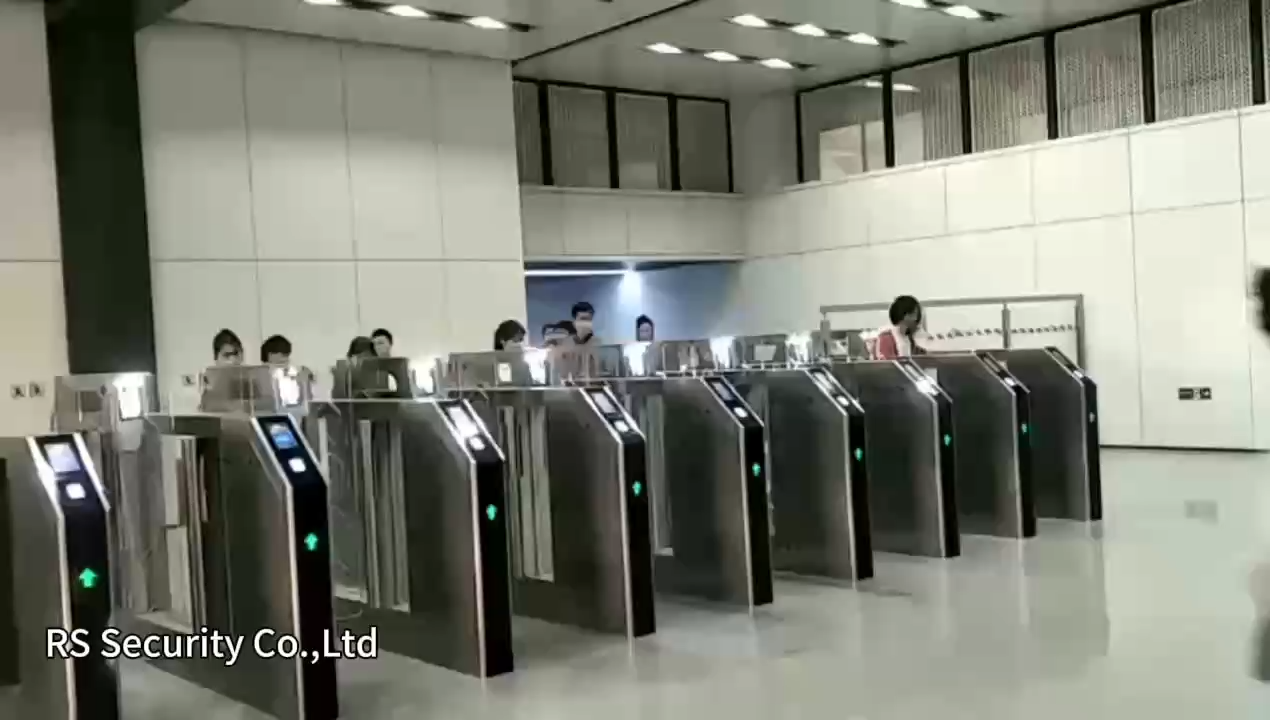
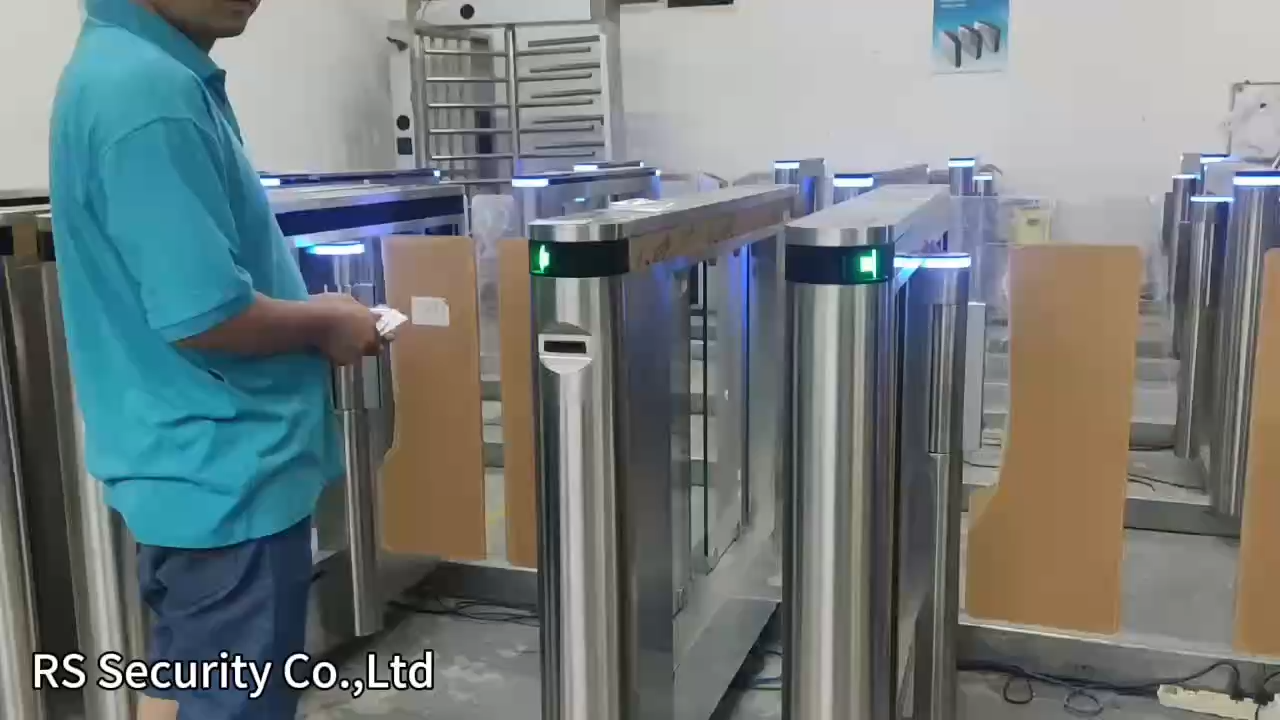
How an RFID Access Controller Can Improve Security and Prevent Losses
RS RFID’s RFID access control systems make employee tracking simple and efficient for organizations of any size. RS RFID makes employee activity monitoring hassle-free!
When authorized individuals present their RFID credentials to an RFID reader, their information is verified and access granted; then the reader sends a signal to open the door lock.
Security
Security should always be your top priority when choosing an access control system, and RFID offers enhanced protection in the form of encrypted tags that are difficult to clone, with scaleable permission levels that prevent unauthorized entry and enhance overall building security.
An RFID access control system consists of three major components: an RFID reader, an RFID tag and the control panel or system which makes the access decision. The reader reads information off of the tag, sending it onward to be processed by the control panel which then makes its decision whether or not to grant entry. This system offers enhanced security without needing keys or passwords while easily expanding as your business grows.
One of the more frequent uses for RFID systems in hospitality facilities is hotels or hospitality establishments. Because such establishments typically experience a high volume of guests, employees or visitors need quick and efficient access to rooms or areas of property. RFID access control enables staff members to verify whether anyone trying to gain entry is authorized by checking credentials in a database.
RFID access control systems provide another useful service by automating the entry and exit processes, eliminating manual lock checking while also helping prevent security breaches caused by human error. They also allow businesses to track who enters or leaves at what times.
Many RFID access control systems provide anti-tamper features to guard against malicious tampering. These features could include adding extra wires to the reader that create an electrical circuit and can detect tampering, automatically shutting down, or taking other necessary actions. Furthermore, an RFID reader could communicate with other security technologies like locks and alarms so they will react appropriately if their reader becomes compromised.
At S4A, we recognize that no access control system can completely protect against deliberate attacks; therefore, it’s vital that users keep up-to-date on software updates and follow recommended security best practices. Our RFID access control kits comply with industry standards that promote best security practices. In addition, we offer educational resources and customer service support to help maximize security of wireless RFID systems.
Flexibility
Flexibility is at the core of any successful RFID access control system. From standalone door controllers with RFID functionality to fully integrated security solutions, a system must be flexible enough to adapt quickly to changing circumstances and user groups without compromising performance – for instance a hotel with high guest turnover requires an automated system which quickly grants guest access to rooms and common areas.
RFID systems are ideal for this use case because they allow guests to unlock buildings using smart cards or mobile devices rather than needing to present keys or codes, thus minimizing errors and providing a seamless guest experience. Furthermore, these systems can easily connect to a network for centralized management and monitoring; this enables managers to easily add/remove users, customize access levels, generate reports and more.
An important benefit of an RFID access control system is scalability. As your company expands, upgrading or expanding the system may become necessary; modern systems are designed with this in mind by offering upgrades via adding readers or tags as required.
An RFID system offers several distinct advantages over traditional access control methods: It can be controlled remotely via cloud-based software and user profiles can be managed remotely – saving both time and effort for administrators, while increasing efficiency. Plus, many RFID solutions feature anti-tamper features which will activate automatically if an unauthoritied person attempts to manipulate the reader.
When an RFID card or device is presented to a reader, its identifying data is sent directly to the control panel for evaluation by the system. Based on this data, access is granted or denied accordingly based on whether it matches information contained within a database; otherwise it sends out a signal that unlocks locks instantly to allow entry. The process takes effect instantly.
Some RFID systems feature door lock mechanisms that ensure physical security of doors. This feature is particularly beneficial in high-security applications where it must differentiate between authorized and unauthorized users. Furthermore, certain systems offer reprogrammable fobs so businesses can add or cancel cards without replacing all hardware – an invaluable feature for organizations with high employee/contractor turnover rates.
Convenience
RFID access control makes your facility simpler for people to use. People can enter without using keychains or remembering access codes/pin numbers, and RFID credentials are more difficult to falsify or counterfeit than traditional keys/locks.
An RFID system makes use easy: just present your access card or tag to a reader and the system will validate its information before unlocking the door or gate. This contactless authentication process eliminates manual checks for valid credentials while simultaneously decreasing queue times, making life much more convenient and hassle-free for users.
An RFID access control system consists of three major elements: an RFID reader, a central control panel and an electronic locking mechanism. An RFID reader is a computerized device which communicates wirelessly with tags to read their stored data on chips; additionally it emits electromagnetic fields to power them.
The control panel serves as the core of our operation, processing information transmitted by readers and making decisions based on it to allow or deny entry based on tag data. Furthermore, it’s responsible for setting up user permissions.
RFID systems allow you to easily configure different levels of access for individual cards and fobs, giving you the power to easily alter security settings as necessary. This flexibility is ideal for sites where operating hours fluctuate: day shift workers may require different access rights than overnight staff, for instance. You can even set time-based automations that automatically lock doors or gates at predetermined intervals.
Most modern RFID systems feature some form of remote management, typically via an application or secure online portal. Security teams can utilize these tools to monitor and adjust access privileges remotely – aiding them to more efficiently manage busy properties with a large workforce or high-value assets on-site, reducing downtime caused by routine maintenance tasks or security incidents, or remotely revoking credentials that have been lost or stolen.
Integration
Security and convenience are key when using RFID systems – whether for taking the lift, entering your office, logging on to computers or booking meeting rooms. Modern systems combine log-in software with RFID to allow users to verify their identity once, then use that information across devices, programs and networks within your business. RSRFID consultants are on hand to design a system tailored specifically to your circumstances while offering guidance and advice on appropriate products/technologies as well as perform trials before rolling-out fully.
RFID access control technology utilizes radio wave signals and is utilized with cards, fobs and stickers that contain microchips that communicate their unique identification number to its host software, which then decides whether entry should be granted or denied. To maximize these features, RFID readers must be compatible with various tags and access control panels.
An RFID’s main advantage lies in its non-contact operation, eliminating the need for users to remember complex passwords or PINs and keychain access control keys. Users simply approach the reader and are allowed into the premises – making the system simple to set up and manage, with granular permission controls that may benefit businesses with multiple employees or departments.
RFID tags are encrypted for increased security, making it more difficult for unauthorized individuals to clone or falsify them. Furthermore, integration with IP security cameras enables remote monitoring and alerts in case of breaches – something especially valuable in larger facilities where employees may be hard-to-track at times.
RFID offers businesses many benefits beyond its ease of use, including lower security maintenance and installation costs. By eliminating manual locks, keys and other hardware from operations expenses while increasing site security and improving efficiency. Furthermore, this system offers detailed access logs and reports that can assist security audits or incident investigations.